
Ask what is being matched
A supplier may mean the same ionic family, a similar technical range or a product used for a comparable duty. These are different claims. Request the proposed manufacturer code and a clear explanation of the intended match.
Avoid treating a familiar trade name as a complete specification. A buyer may know the incumbent code without possessing every formulation detail. Mark unavailable information as unknown instead of filling gaps with assumed equivalence.
Compare the practical requirements
Confirm supplied form and the instructions needed to prepare and deliver it. Check whether the candidate fits the available equipment, working concentration and operating schedule. A similar headline property can hide an important preparation difference.
Where analytical values are compared, request their definitions and methods. Differences in measurement conditions can produce misleading apparent matches. The method comparison explains how to investigate that uncertainty.
Test the claimed application match
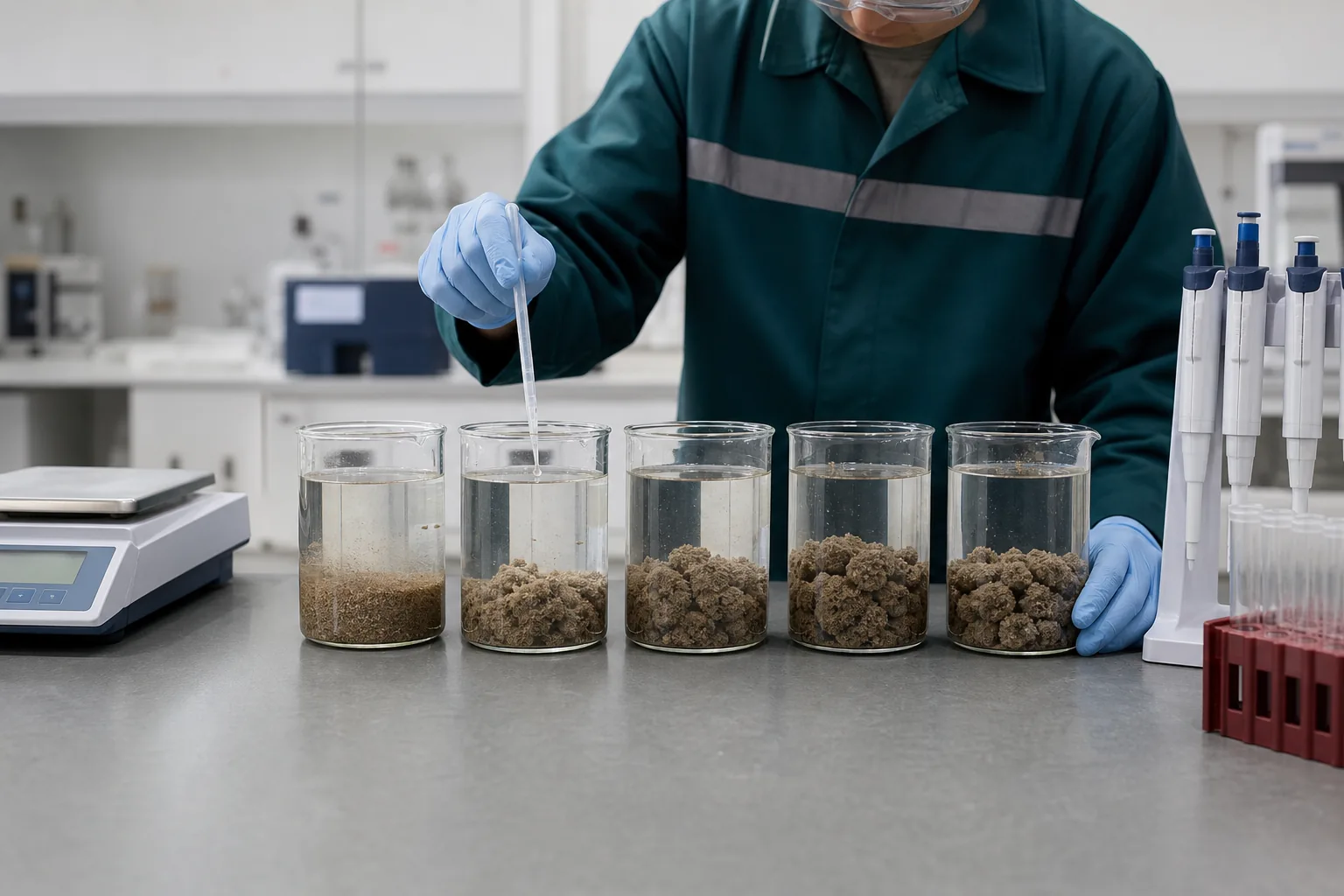
Define the representative feed, current-product control and required separator outcome. Record dose units, preparation and operating settings for each product. Do not assign a substitution ratio before the evidence supports one.
A candidate may prove useful while requiring separate settings or a different dose. Describe that result accurately instead of forcing it into an unsupported one-for-one claim. Keep any remaining process limitation in the approval record.
Update the purchasing identity
If the candidate is approved, use its own manufacturer and product code in the supply documents. Preserve the trial reference and relevant operating instructions. A cross-reference table should not cause packages from different sources to be treated as identical material.
Follow second-source qualification and the approval sequence before commercial substitution. Request clarification through Xinqi technical sales when the proposed match lacks an explicit basis.
Use the evidence in the next purchase
For the corresponding order decision, compare PAM Powder Manufacturers: Check Feeder and Make-Down Fit, Polyacrylamide Emulsion Manufacturers: Activation Before Approval, PAM Manufacturing Changes: When a Repeat Order Needs Review. Retain the material identity and the limits of the operating evidence with the commercial request.