
Product and sample enquiries
Anionic Polyacrylamide from Gongyi Xinqi Polymer Co., Ltd. Request the proposed grade, preparation instructions and a sample for evaluation under your process conditions.
Confirm the supplied form, grade specification and current availability with Xinqi technical sales. Product-family information supports initial screening; the proposed code and application result determine the purchase decision.
Specify the material to be separated
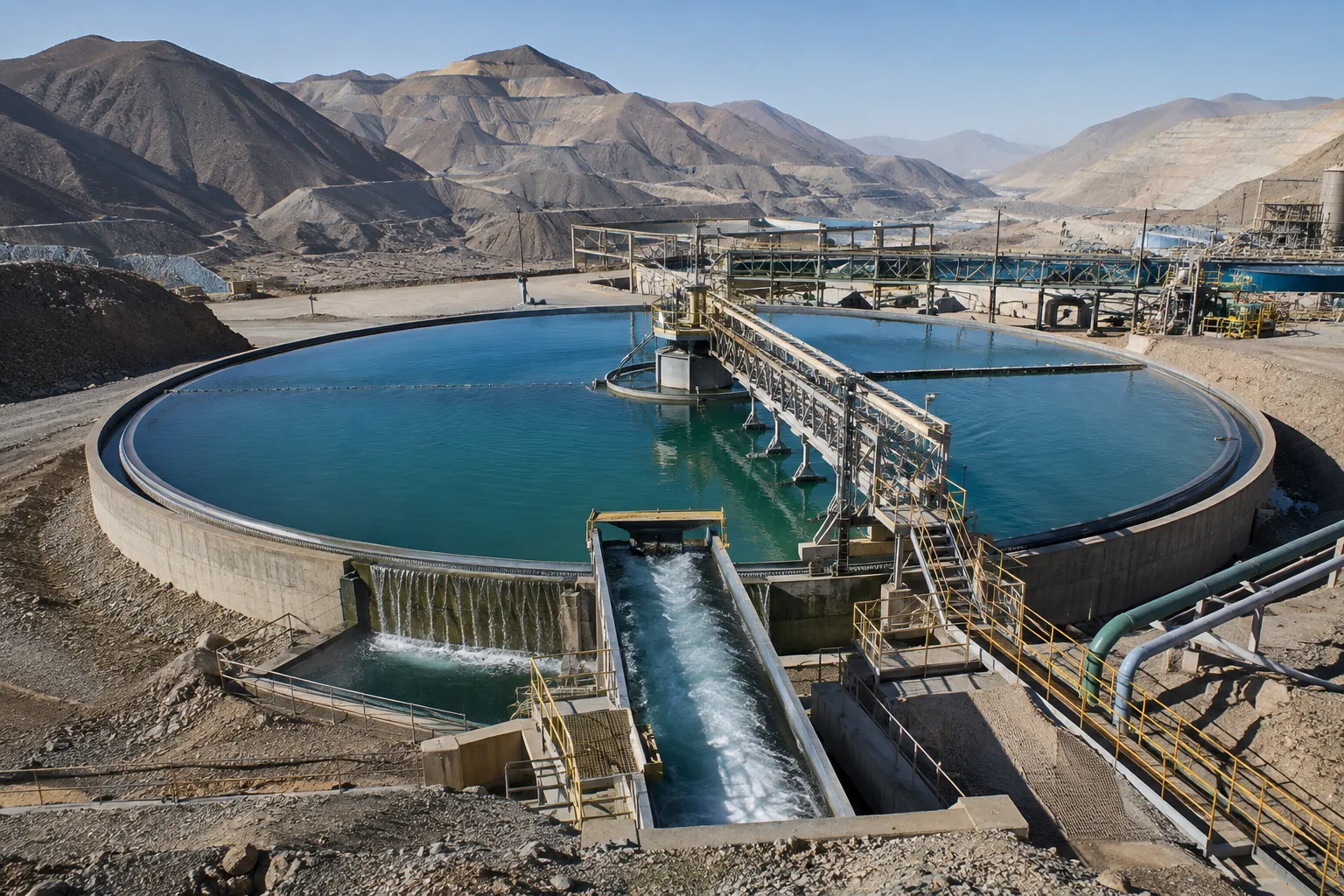
Describe the feed source, solids information, water reuse and any upstream coagulant. An anionic label does not predict performance on every mineral or precipitated suspension. Ask the proposed manufacturer why the candidate belongs in the screening set.
If the process changes across shifts, collect representative conditions rather than relying on one unusually clear sample. Preserve the collection time and location so later observations can be interpreted.
Compare the application and the stock
Assess clarified-liquid quality together with settling or filtration and the next solids-handling step. A rapid interface movement can coexist with unsatisfactory overflow or difficult underflow.
Confirm that the plant can prepare and deliver the candidate consistently. Record working concentration, preparation water and the product-specific instructions. If two powders need different preparation, make that difference visible in the comparison rather than hiding it in a common recipe.
Review the manufacturing evidence
Request the proposed code and relevant release tests, including units and methods. Distinguish a typical technical value from an agreed acceptance criterion. Product-family experience supports discussion, but the selected grade still needs evidence.
For disagreement between supplier and buyer measurements, use the test-method reconciliation before concluding that material has changed. Two numbers produced by different methods are not a reliable dispute basis.
Define a controlled first delivery
Agree how the approved sample and first commercial lot will be identified. Decide who reviews documents, who evaluates the material and what happens if an observation remains unresolved.
Connect the mineral-process approval plan to repeat-supply requirements. For another source, retain the incumbent baseline described in the second-source guide.
Connect the requirement with the order
Review Anionic Polyacrylamide Manufacturers: Mineral-Process RFQ, High Molecular Weight PAM: Manufacturer Specification Checks before finalizing the supply proposal. Keep product identity, practical preparation and pending acceptance evidence attached to the quotation.