Introduction
If you work in wastewater treatment, sludge dewatering, paper manufacturing, or industrial process management, you have likely heard the term cationic polyacrylamide. It is one of the most important specialty polymers used to separate solids from liquids, improve sludge handling, and optimize treatment efficiency.
Many buyers, engineers, and plant managers ask the same question: what is cationic polyacrylamide, and why is it so widely used across industries?
Cationic polyacrylamide is a high-performance flocculant known for its positive electrical charge, strong particle-binding ability, and excellent performance in organic sludge systems. It is especially valuable in municipal sewage plants, biological wastewater treatment facilities, paper mills, and sludge dewatering operations.
This in-depth guide explains what cationic polyacrylamide is, how it works, where it is used, how to choose the right grade, and why it remains essential for modern industrial treatment systems.
What Is Cationic Polyacrylamide?
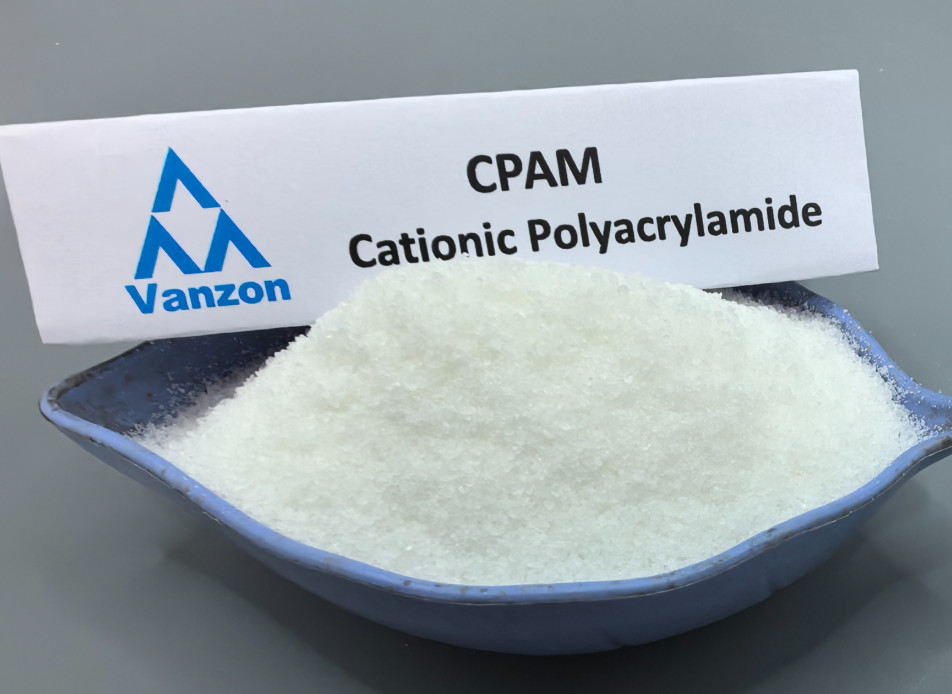
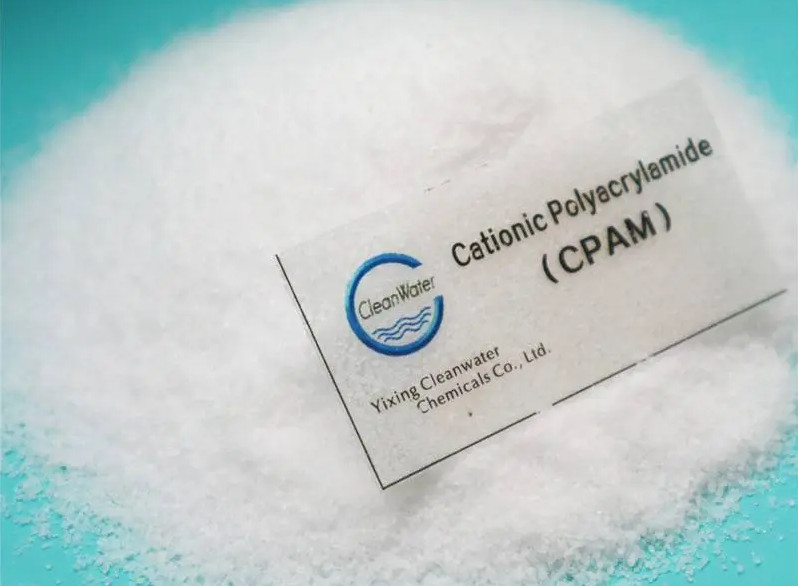
Cationic polyacrylamide, commonly abbreviated as CPAM, is a water-soluble synthetic polymer that contains positively charged functional groups along its molecular chain.
Because of this positive charge, CPAM is highly effective at attracting negatively charged suspended particles, colloids, organic matter, and biological sludge solids. Once added to water or sludge, it binds fine particles together into larger clumps called flocs, making them easier to separate.
In simple language, cationic polyacrylamide is a treatment chemical used to improve solid-liquid separation, especially in systems containing organic contaminants.
Why Is It Called “Cationic”?
The word cationic refers to a positive electrical charge.
When dissolved in water, cationic polyacrylamide molecules carry positively charged sites. These positive charges help the polymer interact with negatively charged particles commonly found in sludge and wastewater.
That charge behavior gives CPAM several important advantages:
- Strong attraction to organic solids
- Efficient sludge conditioning
- Faster floc formation
- Better dewatering performance
- Improved clarification in selected systems
This is why cationic polyacrylamide is often preferred for sewage sludge treatment.
Chemical Composition of Cationic Polyacrylamide
CPAM is generally produced through polymerization of:
- Acrylamide monomer
- Cationic monomers such as quaternary ammonium derivatives
The ratio of these ingredients determines the final polymer properties.
Manufacturers can customize CPAM by adjusting:
- Molecular weight
- Charge density
- Viscosity
- Solubility
- Reactivity
- Particle size
Because of these variations, different plants require different CPAM grades.
How Cationic Polyacrylamide Works
Understanding the mechanism helps answer what is cationic polyacrylamide more clearly.
Step 1: Polymer Preparation
Dry powder or emulsion CPAM is diluted with water.
Step 2: Injection into Sludge or Wastewater
The prepared solution is dosed into the process stream.
Step 3: Charge Neutralization
Positive polymer charges attract negatively charged particles.
Step 4: Bridging Action
Long polymer chains connect many particles together.
Step 5: Floc Development
Small suspended solids become larger, denser flocs.
Step 6: Mechanical Separation
Flocs are removed by:
- Belt filter press
- Screw press
- Centrifuge
- Filter press
- Clarifier
The result is cleaner water and drier solids.
Main Uses of Cationic Polyacrylamide
1. Municipal Wastewater Treatment
This is one of the biggest CPAM markets worldwide.
Used for:
- Primary sludge conditioning
- Waste activated sludge treatment
- Digested sludge dewatering
- Thickening operations
Benefits:
- Better cake dryness
- Reduced sludge volume
- Lower disposal costs
2. Industrial Wastewater Treatment
Many industrial plants use CPAM for wastewater containing organic contaminants.
Industries include:
- Food processing
- Beverage production
- Textile mills
- Chemical factories
- Pharmaceutical plants
- Meat processing
- Pulp and paper
3. Sludge Dewatering
CPAM is especially important before mechanical dewatering systems.
Used with:
- Belt presses
- Decanter centrifuges
- Screw presses
- Chamber filter presses
Benefits:
- Higher throughput
- Lower moisture cake
- Better machine efficiency
4. Paper Industry
In paper manufacturing, cationic polymers may assist with:
- Retention improvement
- Drainage enhancement
- Fiber recovery
- Strength additives in selected systems
5. Oil & Gas and Specialty Processes
Certain formulations may be used in:
- Produced water systems
- Specialty separation processes
- Industrial solids removal
Why Cationic Polyacrylamide Is So Effective
Strong Affinity for Organic Matter
Most biological sludge carries negative surface charges. CPAM bonds efficiently with these particles.
Faster Flocculation
Large flocs form rapidly when dosage is optimized.
Improved Dewatering
Water releases more easily during pressing or centrifuging.
Lower Disposal Cost
Drier sludge means less weight and volume to transport.
Better Plant Stability
More consistent solids capture helps stabilize operations.
Industries That Commonly Use CPAM
Cationic polyacrylamide is widely used in:
- Municipal sewage treatment plants
- Food factories
- Dairy processing plants
- Breweries
- Textile facilities
- Paper mills
- Petrochemical plants
- Biotech plants
- Slaughterhouses
- Industrial wastewater facilities
Any system with high organic solids may benefit.
Forms of Cationic Polyacrylamide
Powder CPAM
Popular due to:
- High active content
- Long storage life
- Lower transport cost
Requires proper dissolution equipment.
Emulsion CPAM
Benefits:
- Faster preparation
- Convenient automatic feed systems
- Suitable for large plants
Liquid CPAM
Used in selected ready-feed applications.
How to Choose the Right Cationic Polyacrylamide
No universal grade exists. Selection depends on the process.
1. Charge Density
Higher charge may improve neutralization in some sludges.
Lower charge may create stronger bridging in others.
2. Molecular Weight
Higher molecular weight often supports stronger floc structure.
3. Sludge Type
Examples:
- Waste activated sludge
- Mixed sludge
- Digested sludge
- Industrial biological sludge
Each behaves differently.
4. Equipment Type
A centrifuge may need a different polymer than a belt press.
5. Solids Concentration
Thicker sludge may require different dosing behavior.
6. pH and Chemistry
Water chemistry strongly influences polymer efficiency.
Why Jar Testing Is Essential
The best CPAM cannot be chosen by price alone.
Laboratory jar tests or onsite trials help determine:
- Correct polymer type
- Optimum dosage
- Mixing intensity
- Floc size
- Drainage speed
- Final dryness
This prevents overpaying and underperforming.
Cationic vs Anionic Polyacrylamide
A common buyer question is whether cationic or anionic polymer is better.
Cationic Polyacrylamide
Best for:
- Organic sludge
- Biological solids
- Municipal wastewater
- Dewatering applications
Anionic Polyacrylamide
Best for:
- Mineral solids
- Inorganic suspensions
- Sand washing
- Tailings clarification
Which One Wins?
Neither universally. It depends entirely on the solids being treated.
Cationic vs Nonionic Polyacrylamide
Cationic
Best when charge neutralization is required.
Nonionic
Used in special neutral systems or niche processes.
Common Sludge Dewatering Example
A sewage treatment plant processes waste activated sludge with 1.5% solids.
Without polymer:
- Poor capture
- Wet cake
- Slow throughput
With optimized CPAM:
- Strong flocs
- Better centrate clarity
- Higher throughput
- Drier cake
- Lower hauling cost
This is why CPAM is often mission-critical.
Operational Mistakes to Avoid
Overdosing
Too much polymer can cause sticky sludge or poor release.
Underdosing
Weak flocs and poor capture.
Wrong Mixing Energy
Excess shear breaks flocs.
Poor Polymer Preparation
Undissolved lumps reduce effectiveness.
Old Product
Expired or moisture-damaged powder may perform poorly.
Safety and Handling
After asking what is cationic polyacrylamide, users often ask if it is safe.
General Industrial Use
CPAM is widely used in regulated treatment systems globally.
Recommended PPE
- Gloves
- Safety glasses
- Dust protection for powders
- Protective clothing as needed
Spill Warning
Wet polymer is extremely slippery. Immediate cleanup is essential.
Follow Documentation
Always use supplier SDS and plant procedures.
Environmental Benefits of CPAM
Though synthetic, CPAM often supports sustainability goals.
Cleaner Effluent
Improves solids removal before discharge.
Water Reuse
Allows better recycling in industrial systems.
Reduced Waste Volume
Drier sludge lowers disposal impact.
Lower Energy Use
Efficient dewatering can reduce drying energy demand.
Storage Best Practices
To maintain quality:
- Keep bags sealed
- Store in cool, dry areas
- Avoid humidity exposure
- Protect emulsion products from freezing
- Use FIFO inventory rotation
Improper storage can reduce performance.
Signs You Need Better CPAM Selection
If your plant experiences these issues, polymer optimization may help:
- High sludge hauling costs
- Wet cake solids
- Poor centrate clarity
- Frequent machine fouling
- Rising polymer usage
- Inconsistent press performance
A supplier trial can often uncover savings.
Buying Tips for Businesses
When sourcing CPAM, prioritize:
- Consistent manufacturing quality
- Technical support
- Multiple charge density options
- Fast delivery
- Competitive total cost
- Trial support
- Export compliance documents
The cheapest bag may be the most expensive solution if performance is weak.
Future Demand for Cationic Polyacrylamide
Global demand is increasing because of:
- Urban wastewater expansion
- Stricter discharge standards
- Rising sludge disposal costs
- Industrial recycling initiatives
- Need for efficient treatment infrastructure
CPAM remains a key chemical in modern environmental management.
Frequently Asked Questions
What is cationic polyacrylamide used for?
It is mainly used for sludge conditioning, dewatering, wastewater clarification, and solids separation.
Is CPAM soluble in water?
Yes. Commercial products are designed to dissolve into dilute working solutions.
Why is CPAM used for sludge?
Because many sludge particles are negatively charged and respond well to cationic polymers.
Is cationic polyacrylamide expensive?
Cost depends on grade, dosage, and performance. A better polymer may reduce total operating cost.
How do I choose the best CPAM?
Run lab tests using your actual sludge and equipment conditions.
Final Thoughts
So, what is cationic polyacrylamide?
It is a positively charged water-soluble polymer used primarily for sludge dewatering, wastewater treatment, and solid-liquid separation in municipal and industrial processes. Its ability to bind organic particles, create strong flocs, and reduce sludge handling costs makes it one of the most valuable treatment chemicals available.
Whether you operate a sewage plant, food factory, paper mill, or industrial wastewater system, choosing the right cationic polyacrylamide can significantly improve efficiency, compliance, and profitability. The best results come from proper testing, correct dosing, and sourcing from an experienced supplier.