Introduction
If you are researching industrial water treatment chemicals, mining flocculants, or wastewater process additives, you have likely come across the term anionic polyacrylamide. Many engineers, purchasing managers, and plant operators ask the same question: what is anionic polyacrylamide and why is it used in so many industries?
Anionic polyacrylamide is one of the most effective and widely used polymers for solid-liquid separation, clarification, thickening, and sedimentation. It plays a vital role in wastewater treatment plants, mineral processing operations, sand washing systems, paper manufacturing, and many other industrial sectors.
This in-depth guide explains exactly what anionic polyacrylamide is, how it works, where it is used, how to choose the right grade, and why it remains a critical chemical in modern operations.
What Is Anionic Polyacrylamide?
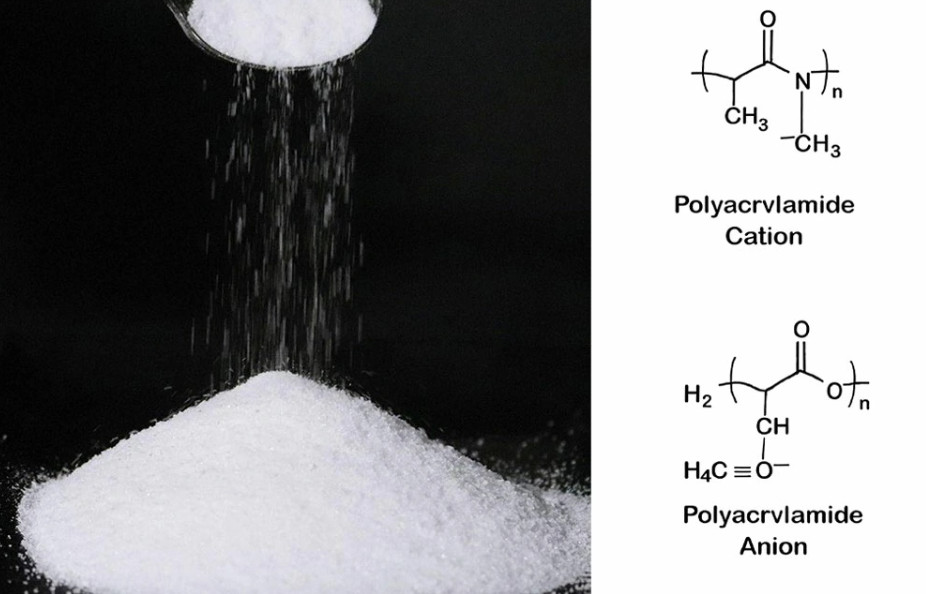
Anionic polyacrylamide, often abbreviated as APAM, is a water-soluble synthetic polymer made from acrylamide and anionic functional groups. It carries a negative electrical charge along its molecular chain.
That negative charge allows the polymer to interact with positively charged particles, suspended solids, and mineral surfaces in water systems. Once added to a liquid stream, it helps tiny particles gather into larger clusters called flocs, which can then settle, float, or filter out more easily.
In simple terms, anionic polyacrylamide is a chemical flocculant designed to make separation processes faster and more efficient.
Why Is It Called “Anionic”?
The word anionic means negatively charged.
When dissolved in water, anionic polyacrylamide molecules develop negatively charged sites along the chain. These charges help the polymer:
- Repel similarly charged materials
- Attach to oppositely charged particles
- Extend chain structure in water
- Create particle bridges
- Improve floc formation
This negative charge is the reason APAM performs especially well in many inorganic sludge and mineral applications.
Chemical Composition of Anionic Polyacrylamide
Anionic polyacrylamide is typically produced through polymerization of:
- Acrylamide monomer
- Acrylic acid or acrylate derivatives
This combination creates long-chain molecules with anionic groups distributed along the backbone.
The final product can be customized by adjusting:
- Molecular weight
- Charge density
- Hydrolysis degree
- Dissolution speed
- Particle size
Because of these variables, no single APAM grade suits every process.
How Anionic Polyacrylamide Works
To fully understand what is anionic polyacrylamide, you need to understand its mechanism.
Step 1: Dissolution
The dry polymer is mixed with water to form a dilute solution.
Step 2: Dispersion
The solution is dosed into slurry, wastewater, or process water.
Step 3: Adsorption
Polymer chains attach to suspended particles.
Step 4: Bridging
Long chains connect multiple particles together.
Step 5: Floc Formation
Small particles become larger flocs.
Step 6: Separation
Flocs settle rapidly or are captured by filtration equipment.
This process can dramatically improve clarity and reduce treatment time.
Main Uses of Anionic Polyacrylamide
1. Wastewater Treatment
One of the largest applications is industrial wastewater treatment.
Used in:
- Metal finishing wastewater
- Stone processing wastewater
- Ceramic wastewater
- Sand washing plants
- Food processing wastewater
- Chemical manufacturing wastewater
Benefits include:
- Lower turbidity
- Faster settling
- Reduced suspended solids
- Improved water reuse
2. Mining and Mineral Processing
Mining operations rely heavily on APAM.
Applications include:
- Tailings thickening
- Coal washing
- Iron ore processing
- Gold recovery circuits
- Copper concentration plants
- Clarifier overflow improvement
Benefits:
- Faster underflow settling
- Better water recovery
- Higher thickener throughput
3. Sand Washing Plants
Sand and aggregate plants often use anionic polyacrylamide to treat muddy water.
It helps recover:
- Reusable process water
- Fine particles
- Faster pond clarification
This lowers water consumption and improves sustainability.
4. Paper Industry
In papermaking, APAM may be used for:
- Retention improvement
- Drainage assistance
- Fiber recovery
- Process water clarification
5. Oilfield Applications
Some systems use anionic polymers in:
- Drilling support fluids
- Produced water treatment
- Enhanced oil recovery support systems
6. Agriculture and Soil Control
Certain formulations are used for:
- Soil stabilization
- Irrigation erosion reduction
- Sediment control channels
Key Benefits of Anionic Polyacrylamide
High Flocculation Efficiency
Even small dosages can generate large, dense flocs.
Lower Chemical Consumption
Often more efficient than using inorganic chemicals alone.
Better Water Clarity
Removes suspended solids effectively.
Cost Savings
Improves settling and lowers sludge handling costs.
Easy Process Integration
Compatible with pumps, clarifiers, thickeners, and filter systems.
Water Recycling Support
Helps plants reuse water instead of discharging it.
Industries That Use Anionic Polyacrylamide
Many sectors depend on APAM daily.
Industrial Sectors Include:
- Mining
- Quarrying
- Sand washing
- Municipal pretreatment
- Ceramics
- Steel manufacturing
- Power plants
- Textile plants
- Paper mills
- Construction material plants
- Food processing
Wherever suspended solids exist, APAM may provide value.
Forms of Anionic Polyacrylamide
Powder Form
Most common format.
Advantages:
- Long shelf life
- High active content
- Lower freight cost
Emulsion Form
Oil-in-water or water-in-oil emulsion.
Advantages:
- Faster inversion
- Rapid make-down
- Good for automated systems
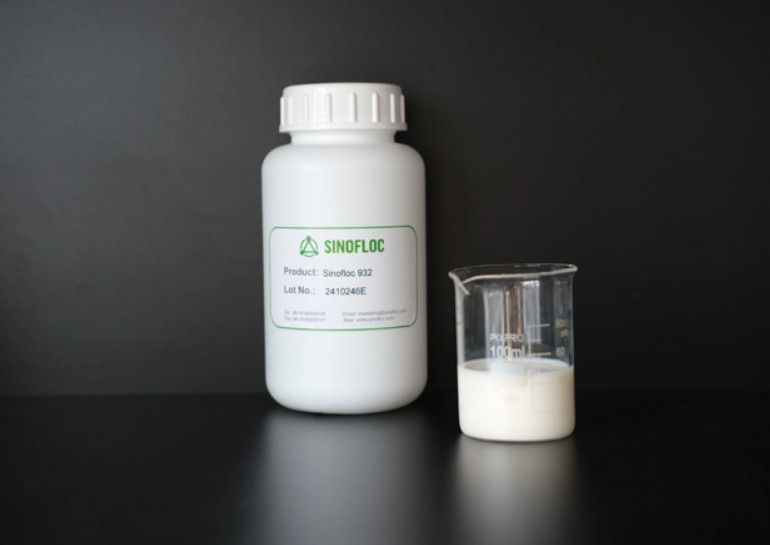
Liquid Form
Ready-to-use in selected applications.
How to Select the Right APAM Grade
Choosing the wrong polymer can waste money and reduce efficiency.
1. Molecular Weight
Higher molecular weight often means stronger bridging.
Useful for:
- Fine particle settling
- Thickener performance
2. Charge Density
Different waste streams need different charge levels.
3. pH Conditions
Performance changes depending on acidity or alkalinity.
4. Solids Concentration
Heavy slurries may require stronger flocculation.
5. Equipment Type
Clarifiers, centrifuges, and filters may need different polymer behavior.
6. Temperature
Cold water may slow dissolution and reaction speed.
Typical Dosing Process
Though each plant differs, the common workflow is:
- Prepare dilute polymer solution
- Allow aging/maturation time
- Inject into feed stream
- Mix gently
- Observe floc size
- Adjust dose as needed
Correct preparation is just as important as product choice.
What Happens If You Use the Wrong Polymer?
Using the wrong APAM grade may cause:
- Weak flocs
- Slow settling
- Cloudy overflow
- Excess consumption
- Poor thickener performance
- Increased sludge moisture
- Higher operating cost
That is why jar testing is essential.
Anionic vs Cationic Polyacrylamide
Many buyers compare the two.
Anionic Polyacrylamide
Best for:
- Inorganic solids
- Mineral particles
- Sand washing
- Tailings
Cationic Polyacrylamide
Best for:
- Organic sludge
- Biological wastewater
- Municipal sewage sludge
Which Is Better?
Neither is universally better. The correct choice depends on particle chemistry.
Anionic vs Nonionic Polyacrylamide
Anionic
Better where charge interaction improves separation.
Nonionic
Often used in special neutral or acidic systems where charge sensitivity is lower.
Is Anionic Polyacrylamide Safe?
A common concern after asking what is anionic polyacrylamide is safety.
General Use
Commercial APAM is widely used in regulated industrial environments worldwide.
Handling Recommendations
Use standard industrial precautions:
- Gloves
- Safety glasses
- Dust mask when handling powder
- Good ventilation
- Spill cleanup procedures
Important Note
Wet polymer on floors becomes extremely slippery and should be cleaned immediately.
Environmental Role of APAM
Although synthetic, APAM often supports environmental goals by improving treatment efficiency.
Benefits include:
- Reduced suspended solids discharge
- More water recycling
- Smaller sludge volumes
- Cleaner tailings water
- Better compliance with discharge limits
Many sustainability programs rely on optimized polymer systems.
Common Operational Problems and Solutions
Problem: Powder Lumps (“Fish Eyes”)
Cause:
Poor wetting during make-down.
Solution:
Use proper eductor or slow powder feeding.
Problem: Cloudy Overflow
Cause:
Underdosing or wrong polymer grade.
Solution:
Jar test and optimize dosage.
Problem: Fragile Flocs
Cause:
Overmixing after dosing.
Solution:
Reduce shear.
Problem: High Consumption
Cause:
Incorrect concentration or outdated product.
Solution:
Review storage, preparation, and selection.
Storage Best Practices
To preserve product quality:
- Store dry powder in sealed bags
- Avoid humidity
- Keep away from direct sunlight
- Rotate inventory FIFO
- Protect emulsion products from freezing
Always follow supplier SDS and label instructions.
Why Plants Prefer Anionic Polyacrylamide
Plant managers often select APAM because it balances performance and economics.
Operational Advantages
- Fast clarification
- Reliable settling
- Easy automation
- Lower maintenance burden
- Better process consistency
Financial Advantages
- Reduced disposal costs
- Lower water purchase costs
- Increased production uptime
Future Demand for Anionic Polyacrylamide
Global demand continues to grow because of:
- Stricter wastewater laws
- Water scarcity pressures
- Mining expansion
- Infrastructure growth
- Need for recycling systems
As industries seek cleaner operations, APAM demand is expected to remain strong.
Frequently Asked Questions
What is anionic polyacrylamide used for?
It is mainly used for flocculation, clarification, sedimentation, and thickening in industrial systems.
Is anionic polyacrylamide soluble in water?
Yes. Commercial grades are designed to dissolve into dilute solutions.
Is APAM hazardous?
When handled properly under industrial guidelines, it is commonly used safely.
What industries use APAM most?
Mining, wastewater treatment, sand washing, paper, and manufacturing sectors.
How do I know which grade I need?
Run laboratory jar tests or pilot trials using your actual water or slurry.
Buying Tips for Businesses
When sourcing APAM, look for suppliers that offer:
- Stable product quality
- Technical support
- Charge density options
- Fast logistics
- Competitive pricing
- Testing assistance
- Export documentation
Low price alone does not guarantee low total cost.
Final Thoughts
So, what is anionic polyacrylamide?
It is a negatively charged water-soluble polymer used to improve solid-liquid separation in industries such as wastewater treatment, mining, sand washing, paper production, and manufacturing. Its ability to create large flocs, accelerate settling, and recover water makes it one of the most valuable industrial treatment chemicals available.
Whether your goal is clearer water, faster thickening, reduced sludge costs, or improved plant efficiency, the right anionic polyacrylamide can deliver major operational benefits. The key is selecting the correct grade through testing and working with an experienced supplier.