Introduction
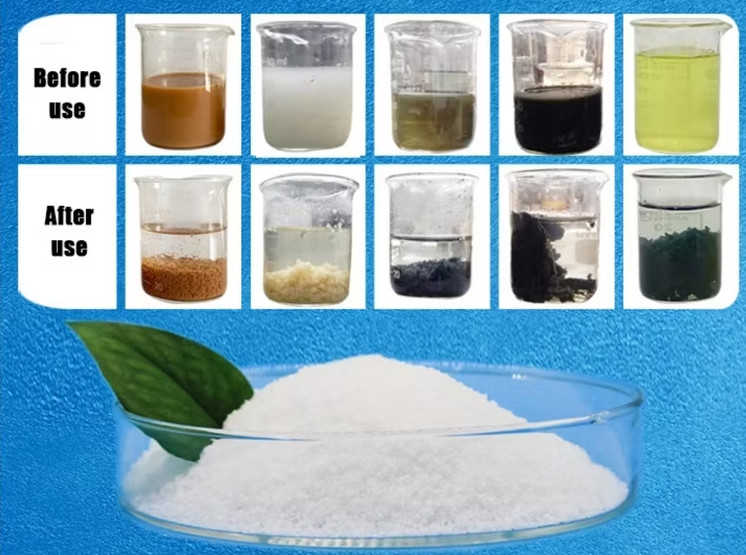
If you are searching what industries use polyacrylamide, you are likely evaluating suppliers, researching industrial chemicals, or trying to understand where this versatile polymer fits in the global economy. Polyacrylamide is one of the most widely used specialty chemicals in modern industry because it improves separation processes, increases efficiency, lowers waste, and supports water management.
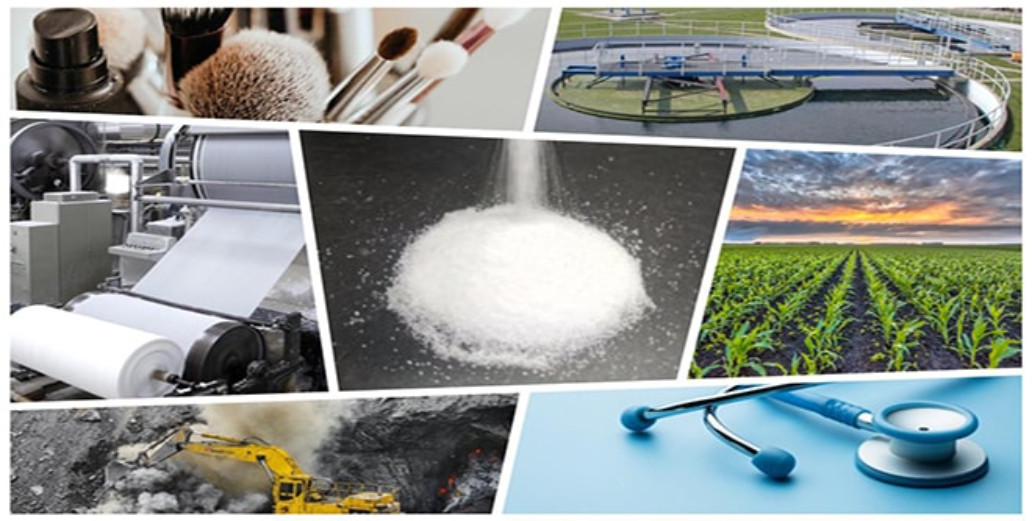
Although many people associate polyacrylamide only with wastewater treatment, its real reach is far broader. It is used in mining, oil and gas, papermaking, agriculture, construction, textile processing, sugar refining, and many other sectors.
The reason is simple: polyacrylamide can be engineered into different charge types and molecular weights, allowing it to solve many operational challenges—from clarifying dirty water to dewatering sludge and improving product recovery.
This in-depth guide explains exactly what industries use polyacrylamide, how each sector applies it, why demand continues to grow, and how businesses choose the right polymer for their process.
What Industries Use Polyacrylamide?
Polyacrylamide is used in a wide range of industries, especially those that handle:
- Water treatment
- Suspended solids
- Sludge dewatering
- Mineral slurries
- Fiber processing
- Liquid-solid separation
- Viscosity control
- Soil stabilization
The major industries using polyacrylamide include:
- Municipal water and wastewater treatment
- Mining and mineral processing
- Oil and gas
- Paper and pulp
- Agriculture
- Construction and tunneling
- Textile manufacturing
- Food and sugar processing
- Chemical manufacturing
- Power generation
- Ceramics and stone processing
- Recycling and waste management
Each sector uses polyacrylamide differently depending on chemistry and operational goals.
Why So Many Industries Use Polyacrylamide
Before reviewing each sector, it helps to understand why this polymer is so popular.
Core Benefits of Polyacrylamide
Polyacrylamide can:
- Bind fine particles together
- Improve sedimentation speed
- Increase water clarity
- Reduce sludge volume
- Recover valuable solids
- Improve filtration
- Control viscosity
- Reduce water usage
- Support recycling systems
Because these needs exist in many sectors, polyacrylamide has global industrial relevance.
1. Water Treatment Industry
One of the first answers to what industries use polyacrylamide is water treatment.
Municipal Drinking Water Plants
Polyacrylamide helps remove suspended solids and turbidity during clarification.
Wastewater Treatment Plants
Used for:
- Primary clarification
- Secondary sludge treatment
- Sludge dewatering
- Tertiary polishing systems
Industrial Water Reuse Systems
Factories use polyacrylamide to recycle process water.
Benefits
- Cleaner discharge water
- Lower sludge hauling cost
- Better compliance
- Reduced fresh water demand
2. Mining and Mineral Processing Industry
Mining is one of the world’s largest consumers of polyacrylamide.
Applications
- Tailings thickening
- Clarifier settling
- Coal washing
- Gold ore recovery
- Copper concentration
- Iron ore processing
- Potash operations
Why Mining Uses It
Mining operations move enormous slurry volumes. Polyacrylamide helps separate solids from water quickly.
Benefits
- Faster settling
- More water recovery
- Higher throughput
- Lower pond load
3. Oil and Gas Industry
Another major answer to what industries use polyacrylamide is oil and gas.
Uses Include
- Enhanced oil recovery (EOR)
- Drilling fluid additives
- Produced water treatment
- Friction reduction in fluid systems
Why It Matters
Polyacrylamide can improve fluid mobility and process efficiency in challenging field environments.
4. Paper and Pulp Industry
Paper mills use specialty polyacrylamides daily.
Applications
- Retention aids
- Drainage improvement
- Fiber recovery
- White water clarification
- Strength enhancement in selected systems
Benefits
- Better machine speed
- Lower fiber loss
- Improved sheet quality
- Cleaner process water
5. Agriculture Industry
Many people are surprised that farming is part of the answer to what industries use polyacrylamide.
Agricultural Uses
- Soil erosion control
- Irrigation furrow stabilization
- Sediment reduction
- Water infiltration management
Why Farmers Use It
It helps reduce soil loss and improves water efficiency in some irrigation systems.
6. Construction and Civil Engineering
Large infrastructure projects often use polyacrylamide.
Applications
- Tunneling slurry treatment
- Bored piling wastewater clarification
- Soil conditioning
- Dust and sediment control
- Dewatering systems
Benefits
- Cleaner site water
- Easier solids disposal
- Faster excavation support
7. Textile Manufacturing
Textile plants generate colored wastewater and suspended solids.
Polyacrylamide Uses
- Dye wastewater treatment
- Sludge dewatering
- Clarification systems
- Process water recycling
Benefits
- Lower discharge solids
- Improved treatment performance
- Reduced environmental load
8. Food and Beverage Industry
Food plants also use polyacrylamide in treatment systems.
Common Facilities
- Dairy plants
- Breweries
- Meat processors
- Beverage factories
- Vegetable processing plants
Applications
- Wastewater clarification
- Sludge dewatering
- Water recovery
9. Sugar Processing Industry
Sugar refineries often use polymers for clarification and filtration support.
Used In
- Juice clarification
- Mud settling
- Process water treatment
Benefits
- Better solids removal
- Cleaner liquid streams
- Higher production efficiency
10. Chemical Manufacturing Industry
Chemical plants use polyacrylamide to manage process streams.
Applications
- Effluent treatment
- Solid-liquid separation
- Product recovery
- Thickening systems
11. Power Generation Industry
Power plants consume water and generate treatment residues.
Uses Include
- Ash pond treatment
- Cooling water clarification
- Wastewater sludge management
Especially relevant in coal and thermal operations.
12. Ceramics, Stone, and Aggregate Industry
Heavy solids industries depend on separation efficiency.
Applications
- Ceramic wastewater treatment
- Marble cutting slurry settling
- Granite processing water recovery
- Sand and gravel washing
Benefits
- Water reuse
- Reduced pond overflow
- Better solids handling
13. Recycling and Waste Management
Modern recycling plants increasingly use water-based separation systems.
Uses
- Leachate treatment
- Sludge dewatering
- Materials recovery wastewater treatment
Which Type of Polyacrylamide Each Industry Uses
Different industries use different polymer types.
Anionic Polyacrylamide
Common in:
- Mining
- Sand washing
- Inorganic wastewater
- Tailings treatment
Cationic Polyacrylamide
Common in:
- Municipal sludge dewatering
- Food wastewater
- Biological sludge systems
- Paper sludge treatment
Nonionic Polyacrylamide
Used in niche applications requiring neutral charge behavior.
Amphoteric Polyacrylamide
Useful where feed chemistry changes frequently.
Why Polyacrylamide Demand Keeps Growing
If you ask what industries use polyacrylamide, the list keeps expanding because of several global trends.
Water Scarcity
Factories need recycling systems.
Environmental Regulations
Cleaner discharge standards increase polymer demand.
Higher Disposal Costs
Drier sludge reduces hauling expenses.
Mining Expansion
More ore processing means more tailings treatment.
Industrial Efficiency Goals
Companies seek lower operating costs.
How Industries Choose the Right Polyacrylamide
No universal product works for every sector.
Selection Factors
- Water chemistry
- Solids type
- Organic vs inorganic load
- Equipment used
- Desired settling speed
- Cake dryness target
- Temperature
- pH range
Best Practice
Use jar tests or pilot trials before full-scale purchase.
Example Use Cases by Industry
Municipal Plant
Cationic polymer before centrifuge to reduce sludge moisture.
Gold Mine
Anionic polymer in thickener feed to recover water.
Paper Mill
Retention aid to reduce fiber loss.
Sand Plant
Clarifier polymer to recycle wash water.
Food Factory
Wastewater flocculant for discharge compliance.
Cost Benefits Across Industries
Regardless of sector, polyacrylamide often saves money through:
- Reduced disposal volume
- Lower water purchases
- Faster production cycles
- Better product recovery
- Less downtime
- Improved treatment capacity
This is why purchasing managers focus on total cost, not only price per bag.
Common Mistakes Industries Make
Buying Only on Price
Cheap polymer may need double dosage.
Wrong Charge Type
Poor settling or weak flocs.
Poor Preparation
Undissolved polymer reduces performance.
Lack of Testing
Real wastewater must be tested.
Overdosing
Can create sticky sludge or cloudy water.
Is Polyacrylamide Safe for Industrial Use?
When handled correctly, polyacrylamide is widely used worldwide in industrial systems.
Standard Safety Practices
- Gloves
- Eye protection
- Dust control for powders
- Spill cleanup procedures
Important Note
Wet polymer surfaces become slippery.
Future Industries Likely to Increase Use
Emerging growth sectors include:
- Battery mineral processing
- Semiconductor wastewater systems
- Advanced recycling plants
- Desalination pretreatment support
- Sustainable manufacturing plants
As industrial water management becomes more important, usage will likely expand.
Frequently Asked Questions
What industries use polyacrylamide the most?
Water treatment, mining, oil and gas, and paper manufacturing are among the largest users.
Is polyacrylamide only for wastewater plants?
No. It is used across many industrial sectors.
Why does mining use polyacrylamide?
To settle tailings faster and recover reusable water.
Which industries use cationic polyacrylamide?
Municipal sludge, food processing, and organic wastewater sectors.
Which industries use anionic polyacrylamide?
Mining, sand washing, and inorganic solids treatment sectors.
Buying Tips for Industrial Users
Choose suppliers that offer:
- Multiple charge grades
- Consistent quality
- Application testing
- Technical support
- Reliable logistics
- Export documentation
The best supplier helps optimize dosage, not just sell product.
Final Thoughts
So, what industries use polyacrylamide?
Polyacrylamide is used across a broad range of industries including water treatment, mining, oil and gas, paper production, agriculture, construction, textiles, food processing, chemicals, power generation, and recycling. Its ability to improve separation, recover water, reduce sludge, and lower operating costs makes it one of the most valuable industrial polymers in the world.
As regulations tighten and sustainability becomes more important, even more industries are expected to rely on polyacrylamide in the years ahead.