Introduction
If you have searched for what is polyacrylamide, you are likely exploring water treatment chemicals, industrial polymers, mining additives, or agricultural soil conditioners. Polyacrylamide is one of the most widely used synthetic polymers in modern industry because it delivers excellent flocculation, thickening, drag reduction, and particle-binding performance.
From municipal wastewater treatment plants to oilfields and paper mills, polyacrylamide plays a major role in improving efficiency and reducing operational costs. Yet many people still do not fully understand what it is, how it works, or why different industries depend on it.
This comprehensive guide explains everything you need to know about polyacrylamide in clear language—from chemistry and structure to applications, safety, and selection tips.
What Is Polyacrylamide?
Polyacrylamide (often abbreviated as PAM) is a water-soluble synthetic polymer formed from acrylamide monomers. It consists of long-chain molecules that can absorb water, increase viscosity, and bind suspended particles together.
In simple terms, polyacrylamide is a chemical product designed to improve how liquids and solids separate, flow, or stabilize.
Because of its flexible chemical structure, polyacrylamide can be manufactured in several forms with different electrical charges and molecular weights. This makes it highly adaptable across industries.
Polyacrylamide is commonly available as:
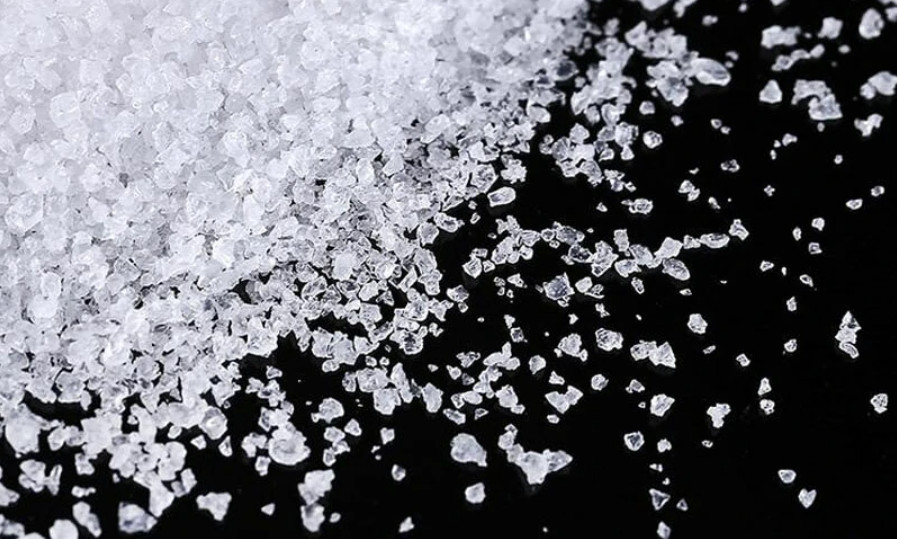
- Powder
- Granules
- Emulsion
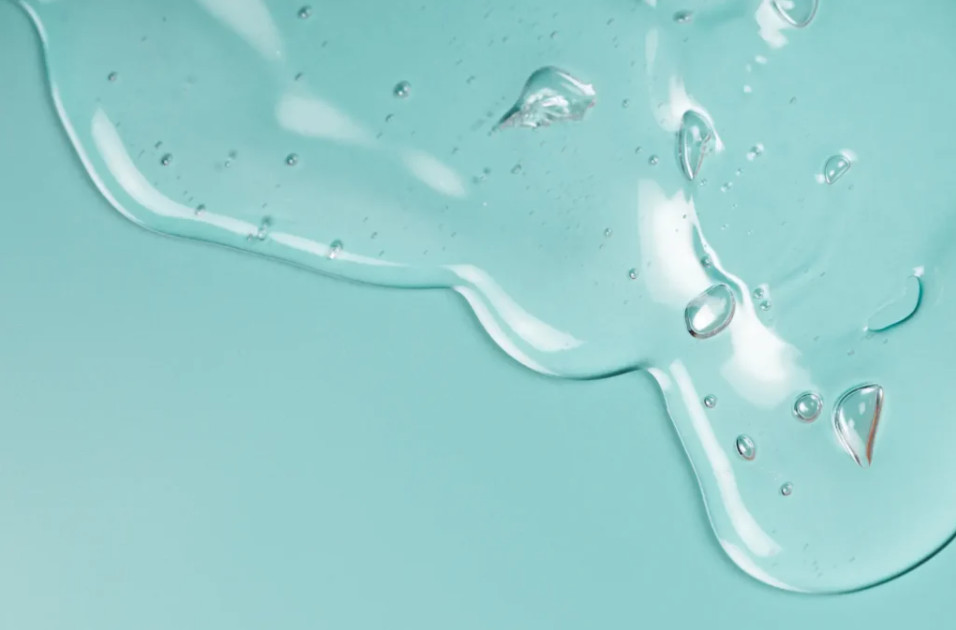
- Gel
- Liquid solution
Depending on the formulation, it may be used for:
- Water clarification
- Sludge dewatering
- Mineral processing
- Enhanced oil recovery
- Soil erosion control
- Papermaking
- Textile processing
- Sugar refining
Chemical Structure of Polyacrylamide
Polyacrylamide is produced through the polymerization of acrylamide, a small organic compound. During production, many acrylamide molecules link together into long repeating chains.
Basic repeating unit:
(C3H5NO)n
This chain structure gives the material several valuable properties:
- High molecular weight
- Water solubility
- Thickening ability
- Flocculating performance
- Surface interaction capability
The longer the polymer chain, the stronger its performance in many separation and viscosity applications.
How Polyacrylamide Works
To understand what is polyacrylamide, you also need to know how it functions.
Polyacrylamide molecules act like bridges between fine particles suspended in water. Tiny contaminants often remain dispersed because they carry charges and repel each other. Polyacrylamide neutralizes or bridges those particles so they gather into larger clumps called flocs.
Once flocs form, they become easier to:
- Settle in clarifiers
- Float in dissolved air flotation systems
- Filter through presses
- Remove by centrifuges
This is why polyacrylamide is essential in water treatment and sludge management.
Main Types of Polyacrylamide
Polyacrylamide is not a one-size-fits-all product. Different charge types are used for different systems.
1. Anionic Polyacrylamide
Anionic polyacrylamide carries a negative charge.
Best used for:
- Inorganic particle settling
- Mining tailings
- Sand washing
- Mineral processing
- Wastewater with metal hydroxides
Benefits:
- Fast sedimentation
- Good clarification
- Cost-effective treatment
2. Cationic Polyacrylamide
Cationic polyacrylamide carries a positive charge.
Best used for:
- Organic sludge dewatering
- Municipal sewage treatment
- Biological sludge
- Paper sludge
Benefits:
- Strong sludge conditioning
- Better cake dryness
- Reduced disposal volume
3. Nonionic Polyacrylamide
Nonionic polyacrylamide has neutral charge characteristics.
Best used for:
- Acidic wastewater
- Special mineral slurries
- Selective flocculation
Benefits:
- Stable under unique conditions
- Useful where charge interaction is limited
4. Amphoteric Polyacrylamide
Contains both positive and negative functional groups.
Best used when wastewater composition changes frequently.
What Is Polyacrylamide Used For?
Water Treatment
This is the largest global application.
Polyacrylamide helps remove:
- Suspended solids
- Turbidity
- Organic matter
- Sludge particles
Used in:
- Drinking water plants
- Municipal wastewater plants
- Industrial effluent treatment
Sludge Dewatering
Cationic polyacrylamide is commonly added before:
- Belt presses
- Screw presses
- Centrifuges
- Filter presses
It improves water release and reduces sludge volume.
Mining Industry
Used in:
- Tailings thickening
- Coal washing
- Gold processing
- Copper concentration
- Clarification ponds
Oil and Gas
Polyacrylamide is used for:
- Enhanced oil recovery (EOR)
- Drilling fluid additives
- Friction reduction
Paper Manufacturing
In paper mills it helps:
- Fiber retention
- Drainage improvement
- Strength enhancement
Agriculture
Used for:
- Soil stabilization
- Irrigation efficiency
- Erosion control
Why Polyacrylamide Is So Important
Many industries choose polyacrylamide because it can dramatically improve process efficiency.
Faster Solid-Liquid Separation
Without flocculants, settling may take hours. With proper dosing, it may happen in minutes.
Lower Operating Costs
Less sludge volume means lower transport and disposal costs.
Better Water Recovery
Industries can recycle more water.
Improved Product Quality
Clearer liquids and cleaner solids improve downstream processes.
Reduced Energy Consumption
Efficient dewatering lowers drying costs.
Is Polyacrylamide Safe?
One of the most common questions after what is polyacrylamide is whether it is safe.
Polyacrylamide vs Acrylamide
This distinction is critical.
- Polyacrylamide = finished polymer with long chains
- Acrylamide = monomer used to make the polymer
Acrylamide in high exposure levels can be hazardous. However, properly manufactured industrial polyacrylamide contains only very low residual monomer levels according to regulatory standards.
Safe Handling Practices
Like many industrial chemicals, users should follow normal precautions:
- Wear gloves
- Avoid dust inhalation
- Use eye protection
- Clean spills immediately (slippery surface risk)
- Follow SDS guidelines
Environmental Considerations
When properly selected and dosed, polyacrylamide can help reduce pollution by improving wastewater treatment efficiency.
Physical Forms of Polyacrylamide
Powder Polyacrylamide
Advantages:
- Long shelf life
- Lower transport cost
- High active content
Requires dissolution equipment.
Emulsion Polyacrylamide
Advantages:
- Faster dissolution
- Easy automated dosing
Common in large plants.
Liquid Polyacrylamide
Ready to feed in some systems.
How to Choose the Right Polyacrylamide
Choosing the wrong grade can reduce performance and waste money.
Key Factors
1. Water Chemistry
- pH
- Conductivity
- Metal ions
- Organic load
2. Particle Type
Organic sludge often needs cationic grades. Mineral solids often need anionic grades.
3. Equipment Used
Centrifuges, belt presses, and clarifiers may require different polymer behavior.
4. Molecular Weight
Higher molecular weight may improve bridging but may dissolve slower.
5. Charge Density
Must match sludge or wastewater characteristics.
Best Practice
Always run jar tests or plant trials before bulk purchase.
Polyacrylamide in Wastewater Treatment Explained
When wastewater enters a treatment system, tiny particles remain suspended and difficult to remove.
Polyacrylamide is dosed into the water stream. After gentle mixing:
- Polymer chains contact particles
- Particles combine into flocs
- Flocs settle or float
- Cleaner water exits
- Concentrated solids are removed
This process is simple but highly effective.
Advantages of Polyacrylamide Over Other Chemicals
Compared with some inorganic coagulants alone, polyacrylamide offers:
- Lower dosage rates
- Larger floc size
- Faster settling
- Better dewatering
- Reduced sludge production
- Improved water clarity
Often it is used together with coagulants like PAC or alum.
Common Problems and Solutions
Poor Floc Formation
Possible causes:
- Wrong charge type
- Under-dosing
- Over-dosing
- Incorrect mixing energy
Fish Eyes During Mixing
Undissolved polymer lumps caused by poor make-down procedures.
Slippery Floors
Polymer spills become extremely slippery. Clean immediately.
High Consumption
May indicate wrong grade or poor dilution system.
Storage and Shelf Life
Powder Products
Typically stored in cool, dry areas.
Emulsions
Protect from freezing or overheating.
General Tips
- Keep containers sealed
- Avoid moisture exposure
- Rotate stock FIFO
- Follow supplier recommendations
Future Demand for Polyacrylamide
Global demand continues growing due to:
- Water scarcity
- Stricter environmental regulations
- Mining expansion
- Industrial recycling systems
- Municipal infrastructure upgrades
As sustainability becomes more important, polyacrylamide remains a critical treatment chemical.
Frequently Asked Questions
What is polyacrylamide made from?
It is made by polymerizing acrylamide monomers into long chains.
Is polyacrylamide soluble in water?
Most commercial grades are designed to dissolve in water.
Is polyacrylamide toxic?
Finished polyacrylamide is generally used safely in industrial systems when handled correctly and produced to standards.
Why is polyacrylamide used in water treatment?
Because it binds fine particles into flocs for easier removal.
Which polyacrylamide is best?
The best type depends on your sludge, wastewater, pH, and equipment.
Final Thoughts
So, what is polyacrylamide?
Polyacrylamide is a versatile synthetic polymer used across water treatment, mining, oilfields, papermaking, and agriculture to improve separation, thickening, and dewatering processes. Its ability to form flocs, recover water, and lower operating costs makes it one of the most valuable industrial treatment chemicals in the world.
Whether you run a municipal wastewater plant or an industrial production line, selecting the right polyacrylamide grade can significantly improve efficiency and performance.
If you are sourcing products, always work with experienced suppliers who can provide testing support, technical guidance, and consistent quality.